 Comet Group
The source describes professional pest-control staff using registered environmental pesticides against termites, cockroaches, rats, mosquitoes, fleas and other pests in homes, offices, factories and institutions. Its claims of long-lasting action and harmlessness to people and animals are historical promotional statements.
Fees depend on service type, area and location; the original range is approximately $0.20–$2 per square foot.
Free on-site quotation offered in the source.
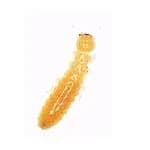
Termites
The page groups Hong Kong termites into three families: wood-dwelling Kalotermitidae, which nest without soil; Rhinotermitidae, including Formosan subterranean and Reticulitermes termites; and Termitidae, including yellow-winged and black-winged termites.
It describes winding nest tunnels, regulated temperature and humidity, queen chambers, egg chambers, storage and, in some species, fungus cultivation. Experienced technicians may use associated fungi as evidence of nearby underground nests. Termites attack wooden floors, door frames, skirting, cabinets and furniture, nesting in gaps and spreading after reproduction. Professional control and nest removal are recommended in the source.
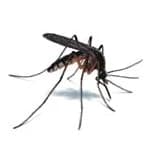
Mosquitoes
The source says female mosquitoes transmit disease after taking infected blood, allowing pathogens to multiply and enter their salivary glands. During a subsequent bite, anticoagulant saliva can carry viruses or malaria parasites into another host.
It distinguishes filarial larvae, which leave the mosquito mouthparts and enter through bite wounds or other skin breaks, and describes their sensitivity to drying. It lists dengue, Japanese encephalitis and imported malaria among mosquito-borne diseases in Taiwan at the time of publication.
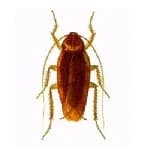
Cockroaches
The source describes cockroaches as common in homes, restaurants and hospitals, moving between kitchens, toilets and rubbish, contaminating food and utensils through droppings and pathogens on their bodies, and damaging clothing and books.
It describes broad feeding habits, with a preference for sugar and starch, and contamination through regurgitation and defecation. Habitats include warm, moist areas near food: cupboard gaps, spaces below sinks, wall cracks, drains, rubbish and hospital wards. It notes oily secretions with a distinctive odour.
The source lists cholera, typhoid, dysentery, tuberculosis, Pseudomonas and roundworm/hookworm/pinworm eggs as potential contaminants, as well as economic damage to food and leather goods.
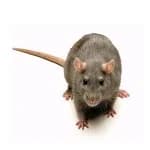
Rats
The source lists plague, hantavirus-related illness, murine typhus and leptospirosis, describing transmission through infected fleas, particles/droppings in poorly ventilated spaces and bite wounds. Some disease names are repeated or misspelled in the original.
Rats are described as light-sensitive, largely colour-blind and active at night or in dark spaces. Brown rats occur around drains and refuse rooms; roof rats in ceilings, lofts and basements; house mice behind cupboards, in drawers and storerooms.
They eat varied foods and gnaw hard materials to wear down continuously growing incisors, damaging door frames, roofs and wires and leaving debris.
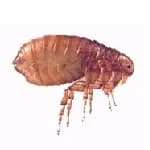
Fleas
Fleas commonly live on cats, dogs and other mammals. The page describes a tough shell, three pairs of legs, a small sesame-like body and blood-feeding on animals and humans, producing itchy red bites.
Common adults are about 1–3mm long, laterally flattened, with piercing/sucking mouthparts and strong jumping legs. Adults parasitize people, mammals and poultry; the source discusses skin effects and transmission of plague and typhus. Larvae live on the ground and feed on animal/plant waste before emerging and finding a host.
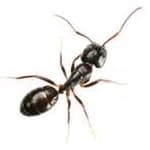
Ants
Ants are described as common indoor and outdoor social, nest-building insects, with males, females and workers. Most do not bite except fire ants, but large numbers can be a nuisance. The source states more than 300 known species in its context.
Most live outdoors on dead organisms and organic debris; some invade buildings and rooms and may carry microbes. The source lists six troublesome ant species, with the pharaoh ant (little yellow house ant) described as the most common.